May 15, 2026
Selecting the ideal construction material for an outdoor storage building is a pivotal decision that impacts both the longevity of the structure and the aesthetic harmony of your backyard. With a variety of options ranging from traditional timber to modern composites, homeowners must weigh factors like local climate, maintenance capabilities, and intended use. A well-chosen shed serves as more than just a place to stash lawnmowers; it acts as an extension of the home’s functional footprint. By understanding the unique properties of each material, you can make an informed investment that provides security and durability for many years to come.
Considering Traditional Wood Options
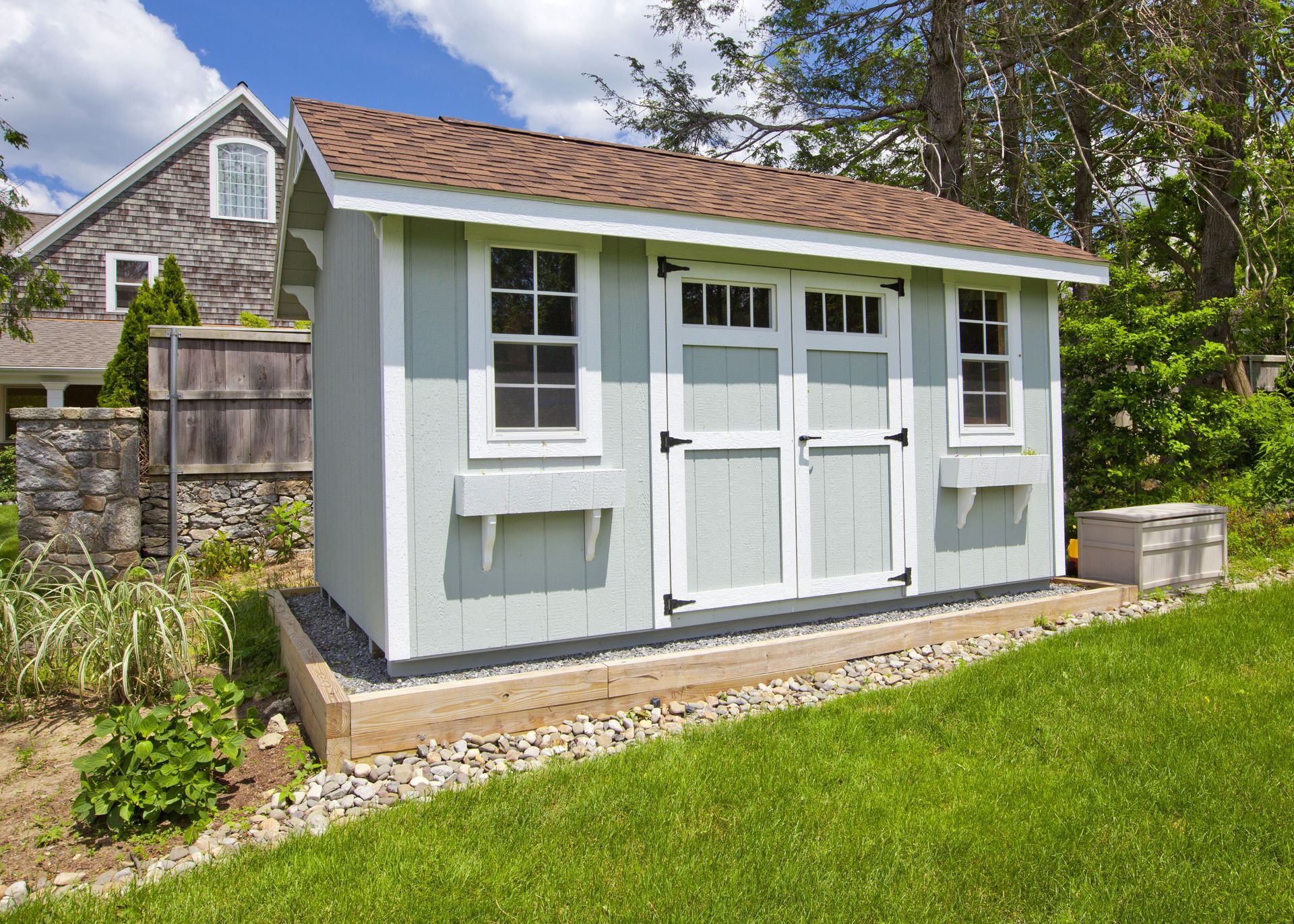
Timber remains the most popular choice for those seeking a classic, customizable appearance that mirrors the architectural style of a residential home. Wooden structures offer incredible strength and can be painted or stained in any color imaginable to match your existing property perfectly. Because wood is a natural insulator, it is an excellent choice if you plan to use the space as a workshop or a creative studio where temperature regulation is a priority. However, owners must be prepared for ongoing maintenance, such as periodic painting and pest treatments, to prevent rot and ensure the frame remains structurally sound over time.
Evaluating Durable Metal Solutions
Steel and aluminum are favored by budget-conscious homeowners who prioritize fire resistance and a low-maintenance lifestyle above all else. These structures are exceptionally lightweight and easy to assemble, making them a practical choice for those who need immediate storage solutions without the complexity of heavy construction. Metal is particularly effective at deterring rodents and resisting rot, though it can be prone to denting or rust if the protective coating is scratched. In regions with mild weather, a metal shed offers a cost-effective way to protect garden tools and seasonal equipment from the elements without requiring a significant upfront financial investment.
Analyzing Modern Resin Alternatives
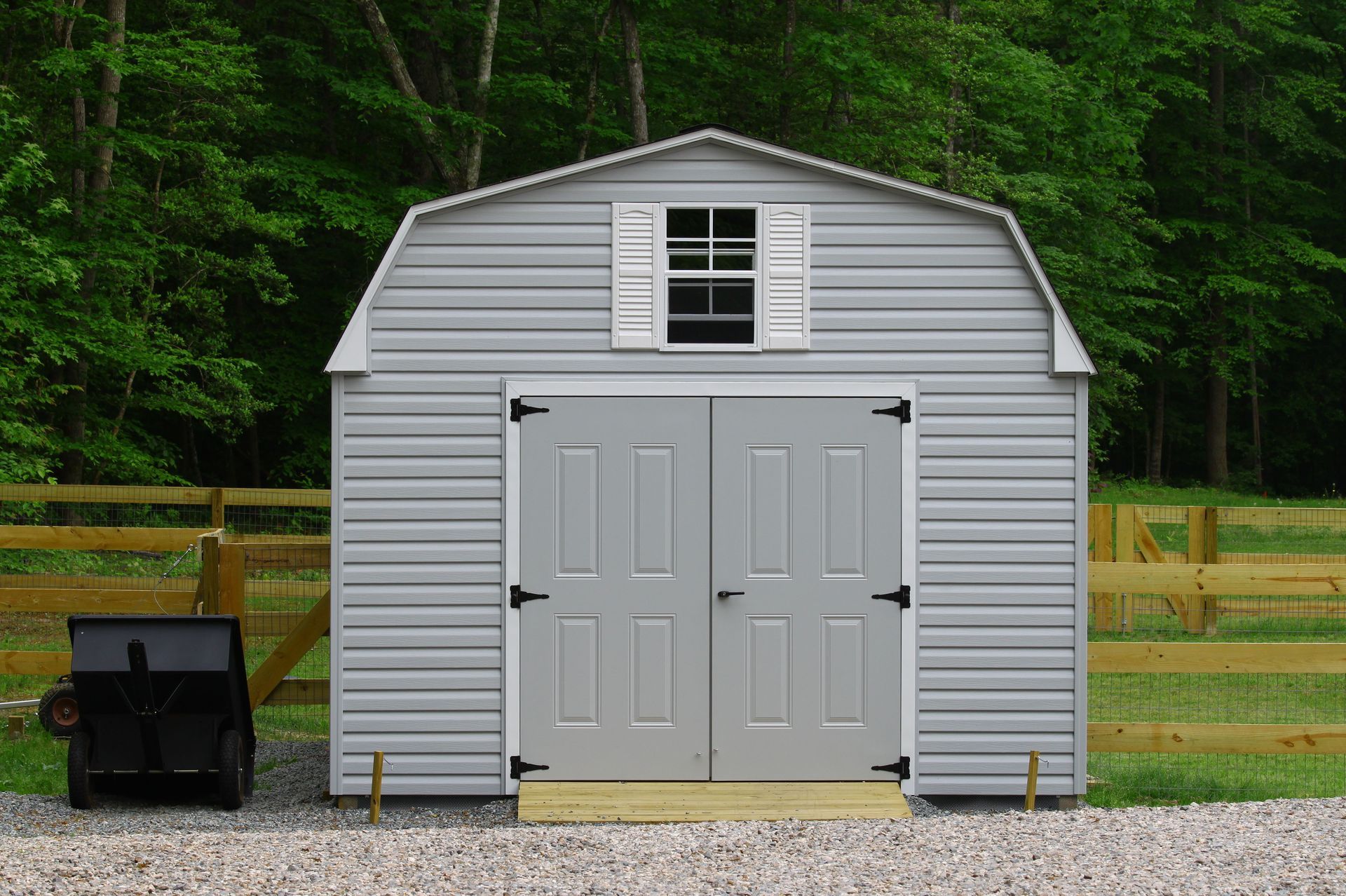
High-density polyethylene and vinyl have revolutionized the market by offering a material that is virtually impervious to weather-related damage and decay. These plastic-based structures do not rust, rot, or fade, and they typically require nothing more than an occasional wash with a garden hose to look brand new. Many manufacturers now incorporate UV-protected resins to ensure the walls do not become brittle under intense sunlight exposure. While they may offer less customization than wood, their ease of assembly and long-term durability make them a standout choice for busy families who prefer a "set it and forget it" storage solution.
Predicting Future Storage Trends
The landscape of backyard organization is shifting as more people recognize the value of high-quality outdoor structures for enhancing their daily living experience. According to Freedoniagroup.com, outdoor storage product demand in the U.S. is forecast to expand 5.3% annually to $3.0 billion in 2029. This growth indicates that more homeowners are investing in permanent solutions to manage their belongings effectively. As the market expands, we are seeing a rise in hybrid materials that combine the beauty of wood with the resilience of plastic. This trend ensures that consumers have access to increasingly sophisticated designs that meet the rigorous demands of modern suburban life.
Calculating Long-Term Costs
When determining which material fits your budget, it is essential to look beyond the initial purchase price and consider the total cost of ownership. A cheap metal shed might save money today, but if it requires replacement in five years due to corrosion, the value proposition diminishes significantly. Conversely, a high-end wooden model has a higher entry price but can last decades if properly maintained and repaired. Homeowners should factor in the cost of paint, shingles, and specialized cleaning products when making their final decision. Investing in quality materials upfront often leads to lower stress and fewer expenses in the future.
Reviewing Local Climate Impacts
The environmental conditions of your specific geographic location should heavily influence whether you choose a heavy-weight or light-weight construction style. For those living in coastal areas, salt air can quickly degrade metal, making resin or treated wood a much more viable long-term option. In contrast, residents of areas prone to heavy snowfall should prioritize a shed with a reinforced roof and a sturdy wooden frame that can support significant weight loads. Understanding how wind, rain, and humidity interact with different materials will prevent you from choosing a structure that might fail prematurely under the pressure of local weather patterns.
Examining Foundation Requirement Needs
The longevity of any outdoor building is directly tied to the stability of the ground upon which it sits during its lifespan. While smaller resin kits can often sit on a simple leveled gravel bed, larger wooden or metal structures usually require a more substantial concrete pad or timber pressure-treated foundation. A solid base prevents the frame from warping, which ensures that doors and windows continue to operate smoothly throughout the changing seasons. Taking the time to prepare the site correctly protects your investment from groundwater moisture and shifting soil, regardless of the specific material you have selected for the walls.
Assessing Security Features Carefully
Protecting expensive power tools, bicycles, and lawn equipment requires a structure that can support robust locking mechanisms and resist forced entry. Metal buildings can sometimes be flimsy if not reinforced, whereas a heavy-duty wooden shed provides thick walls that are much more difficult to penetrate. Many modern resin models now include steel-reinforced doors and built-in padlock hasps to enhance their defensive capabilities. If security is a primary concern, look for models with fewer windows or those that feature shatter-resistant glazing. Ensuring your belongings are safe from theft provides invaluable peace of mind for every homeowner in the neighborhood.
Designing For Aesthetic Appeal
A backyard structure should complement your landscaping and add visual interest to your outdoor space rather than becoming an eyesore. Wood is the undisputed leader in this category, allowing for decorative trim, flower boxes, and even shingles that match your house perfectly. However, high-end vinyl options now come in textures that mimic the look of wood grain or stone, providing a sophisticated appearance without the maintenance. When a shed looks like a deliberate part of your home’s design, it can actually increase the overall curb appeal and resale value of your property, choosing a material and a stylistic one.
Checking Homeowner Association Rules
Before making a final purchase, it is crucial to verify if your neighborhood has specific guidelines regarding the materials and colors allowed for outbuildings. Many HOAs prohibit metal structures entirely or require that the siding of any shed match the primary residence’s exterior exactly. This often limits owners to wood or high-quality vinyl that can be painted or ordered in specific neutral tones. Failing to check these regulations can result in costly fines or the requirement to dismantle the structure shortly after installation. Always prioritize compliance with local codes to ensure your new storage project proceeds without any unnecessary legal or financial headaches.
Measuring Interior Space Efficiency
The thickness of the walls and the placement of internal supports can significantly impact how much usable storage you actually have inside the unit. Resin models often have double-walled construction for strength, which can eat into the interior dimensions more than a single-walled metal alternative. Wood frames allow you to easily screw in hooks, shelves, and workbenches directly into the studs, maximizing every square inch of vertical space available. If you have a large inventory of small items, the ability to customize the interior walls is a major advantage that might lean your preference toward a traditional timber-framed construction style.
Navigating the various options for backyard storage requires a balance between practical needs, budgetary constraints, and long-term maintenance expectations. Whether you choose the timeless beauty of wood, the rugged simplicity of metal, or the effortless durability of resin, the right shed will transform your outdoor organization. By placing a high priority on material quality and climate suitability, you ensure that your tools and equipment remain protected through every season. As demand for outdoor products continues to rise, investing in a sturdy, well-designed structure remains one of the smartest ways to enhance your property's functionality. Make your choice today to enjoy a clutter-free and organized tomorrow. Are you considering having a new shed installed at your home in the Willow Spring or Smithfield, NC areas? The team at George's Barns & Sheds is ready to assist! Call today for more information.